The day is increasingly rarely divided into "work" and "time after work." A meeting in the morning, lunch at noon, and a dinner or outing in the evening for which there is no longer time to go home and change. The problem is usually not that there is nothing to wear. It is more often that the wardrobe has been built for specific occasions rather than for the way the day actually looks. A well-designed base does not have to look the same in the morning and the evening. Instead, it should allow you to easily change the character of an outfit. Sometimes changing shoes and jewelry is enough; other times you will need to swap a shirt for a bodysuit or trousers for another pair. The most important thing is not to build an evening outfit from scratch.
What exactly is a capsule wardrobe?
A capsule wardrobe is a small set of clothes selected so that many different combinations can be created from them. It is not about limiting yourself for the sake of it, but about increasing the number of possibilities with fewer products.
The term appeared in the 70s thanks to Susie Faux, the owner of the London boutique Wardrobe. Her premise was simple: instead of buying separately for every season or occasion, it is worth building the core of a wardrobe from well-made pieces and consciously supplementing it.
In 1985, Donna Karan showed her Seven Easy Pieces collection - seven items that allowed for creating many outfits for the modern businesswoman. This is the essence of the capsule wardrobe idea: fewer random clothes, more possible combinations. Three bottoms and four tops that work well together offer many combinations even before shoes, handbags, and jewelry are added. The possibilities of a wardrobe are determined not by the number of clothes, but by the number of those that combine with the others.
What determines whether a garment is truly versatile?
Versatility is not a feature declared by a label. It results from how a garment behaves in various combinations.
Color
Shades that can be paired with many other colors work best: black, navy blue, chocolate brown, or burgundy. They offer plenty of styling possibilities and do not impose a single occasion. This is especially important when the same element is meant to be a base for both a work outfit and a more evening-appropriate set.
Cut and construction
A garment can be simple, but it should not be shapeless. A well-constructed blazer maintains its shoulder line and form throughout the day. Wool trousers with a properly designed leg do not lose their shape after a few hours of sitting. It is precisely the construction that allows a garment to be a base for subsequent outfits instead of looking good only in one specific set.
Material and weight
The material influences how a garment drapes on the silhouette, how it reacts to movement, and how it looks after a few hours of wear. For all-day wardrobe items, the right weight is often more important than the composition itself. The fabric should maintain its structure but not be heavy enough to limit comfort.
Finishing
Details can categorize a garment for a specific occasion. Sequins, a strong sheen, or a very deep neckline immediately push the outfit toward evening wear. A neutral finish gives more freedom and allows you to change the character of the whole look using other elements.
Separability
A capsule item should also look good outside of the set for which it was originally designed. A blazer should work with jeans. Trousers with a shirt, turtleneck, or a simple top. A skirt – not only with a matching top, but also with items you already have in your closet. This is the very feature that allows a few things to create a flexible wardrobe.
The same base, two different sets
A capsule wardrobe does not mean that the exact same outfit has to work from morning until evening. It is about something more practical: some items stay, while you swap others. Thanks to this, you do not have to pack an entire second outfit. You just need to plan which element is responsible for changing the character of the outfit.
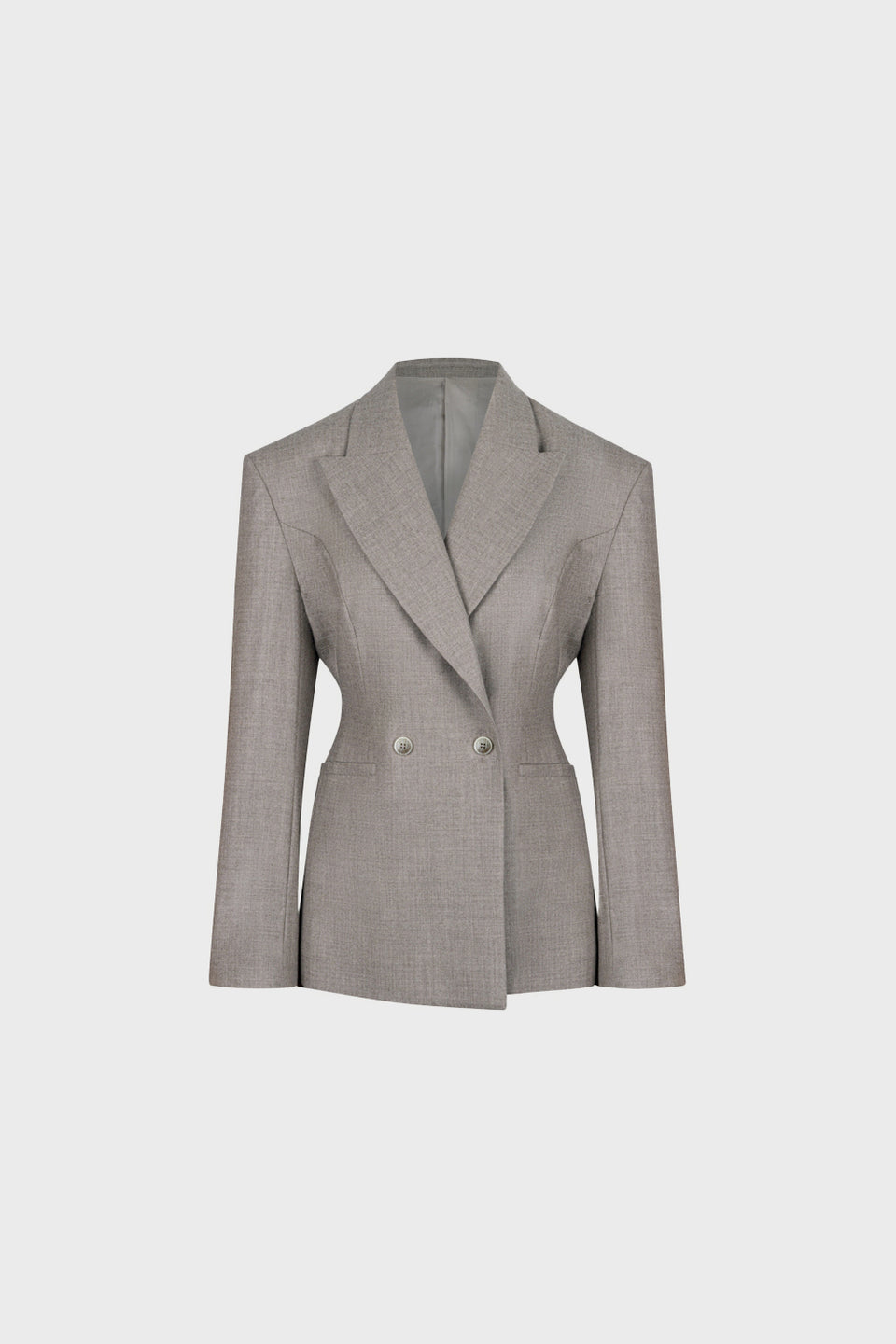
Blazer
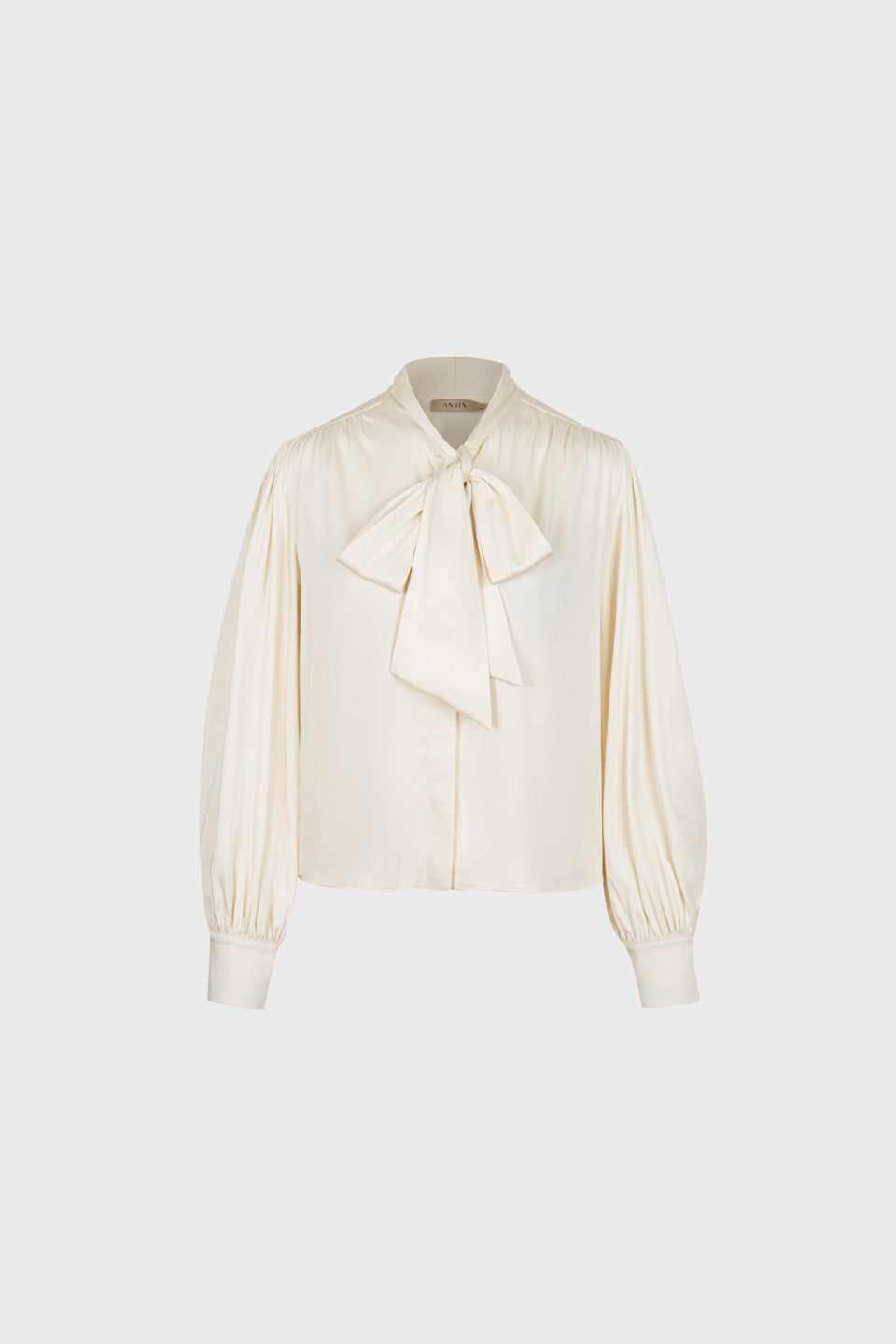
During the day: with a cream shirt and wide-leg jeans. The structure of the blazer balances the casualness of denim and gives the set a more orderly character.
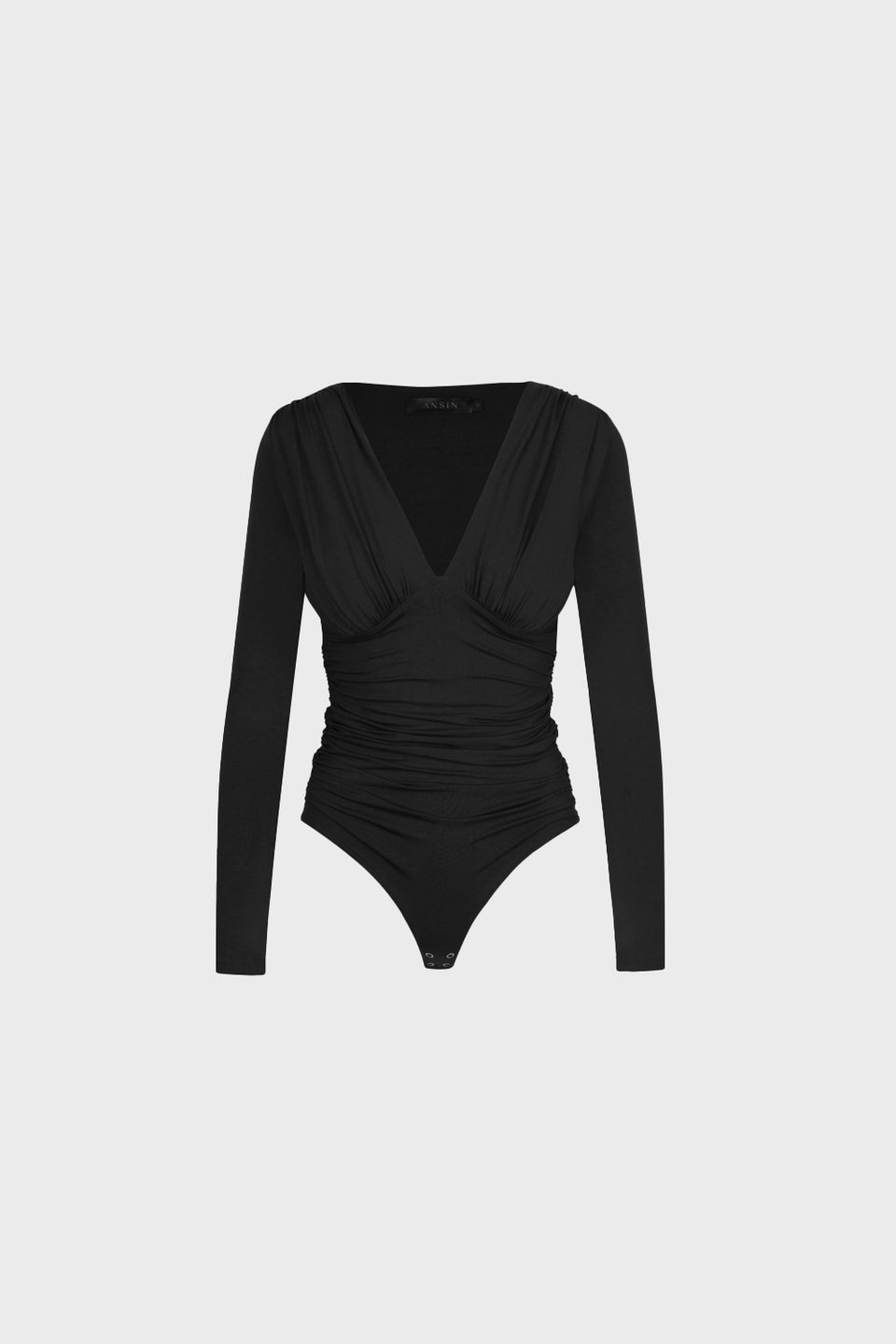
In the evening: the blazer stays, but the shirt is replaced by a bodysuit, and the jeans are replaced by flowing trousers. A few elements change, but the starting point remains the same.

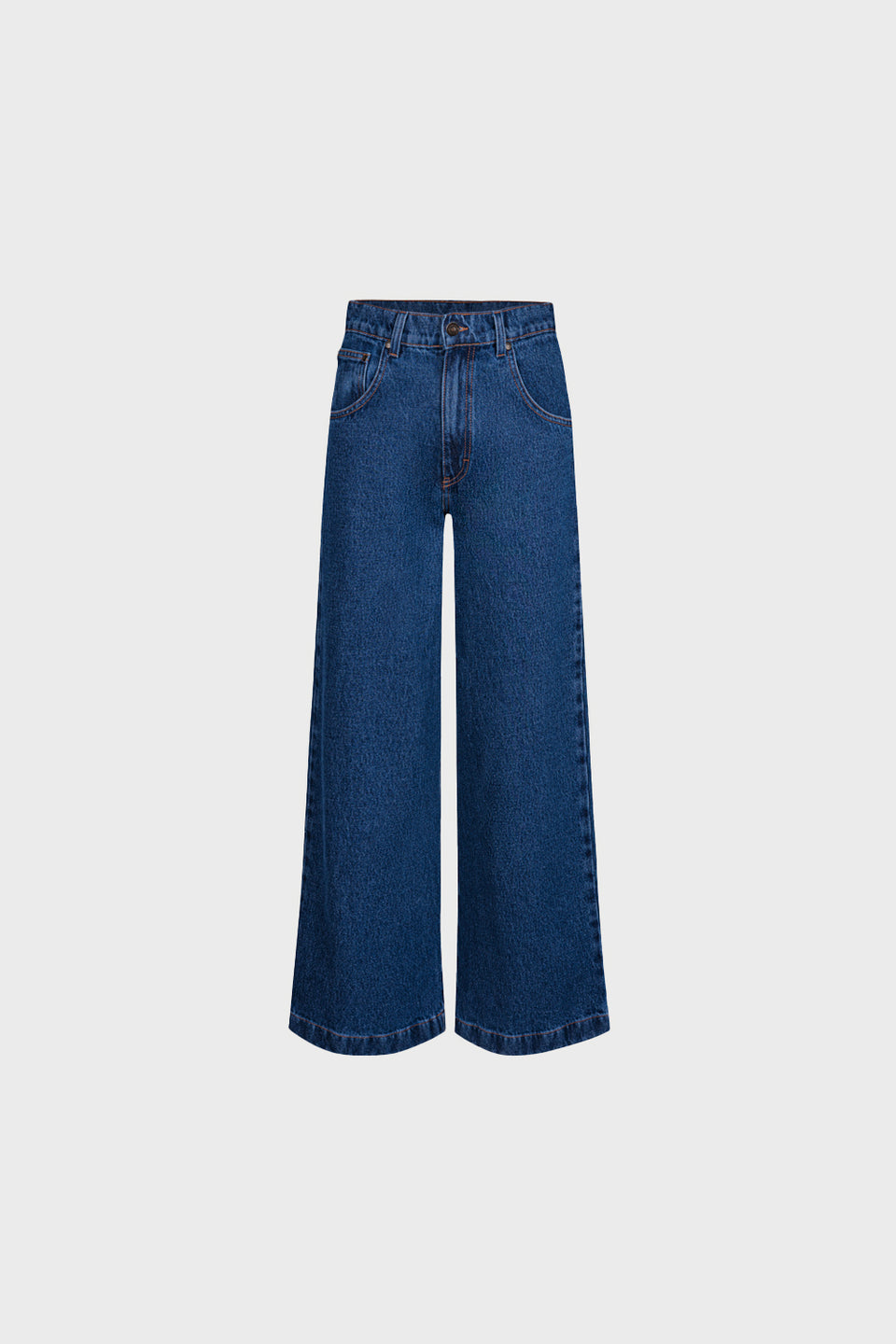
Outfit 1: ANSIN Miss Vienna Taupe blazer, ANSIN Miss Rhuman Creme shirt, ANSIN Miss Roxxy Blue jeans, Roselva handbag, Mango slides, Ania Kruk earrings | Outfit 2: ANSIN Miss Vienna Taupe blazer, ANSIN Miss Eida Dark Chocolate bodysuit, ANSIN Miss Vail Chocolate trousers, Panna Studio handbag, Zara slides, Massimo Dutti earrings
Trousers
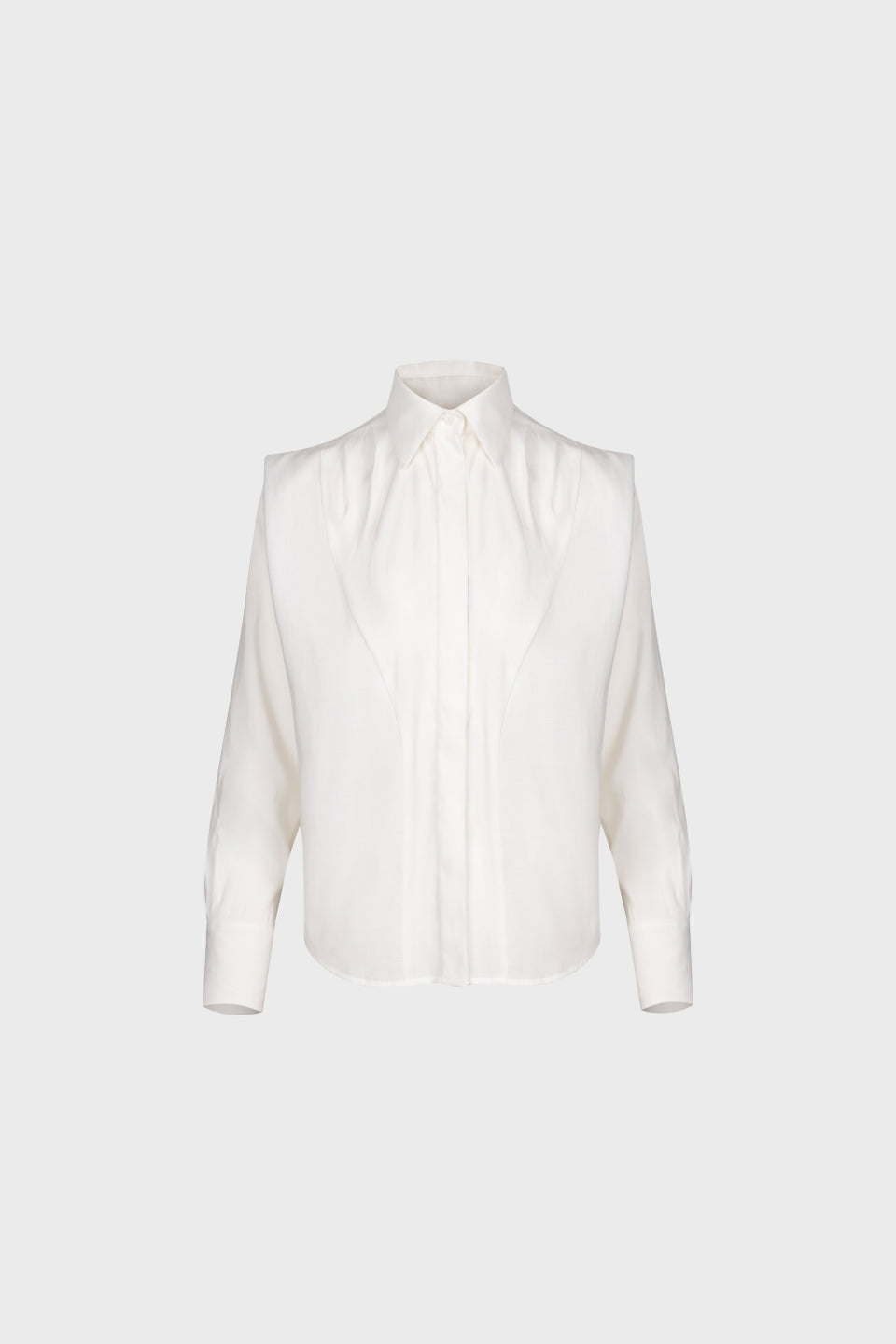
During the day: with a white shirt buttoned to the neck. A classic combination that works well in a more formal work environment. The wide leg looks good with a shoe featuring a small heel, which elongates the silhouette.
In the evening: the trousers stay, but the shirt is replaced by a shorter top, and the whole look is complemented by expressive jewelry. There is no need for a whole new outfit – it is enough to change the upper part and accessories.

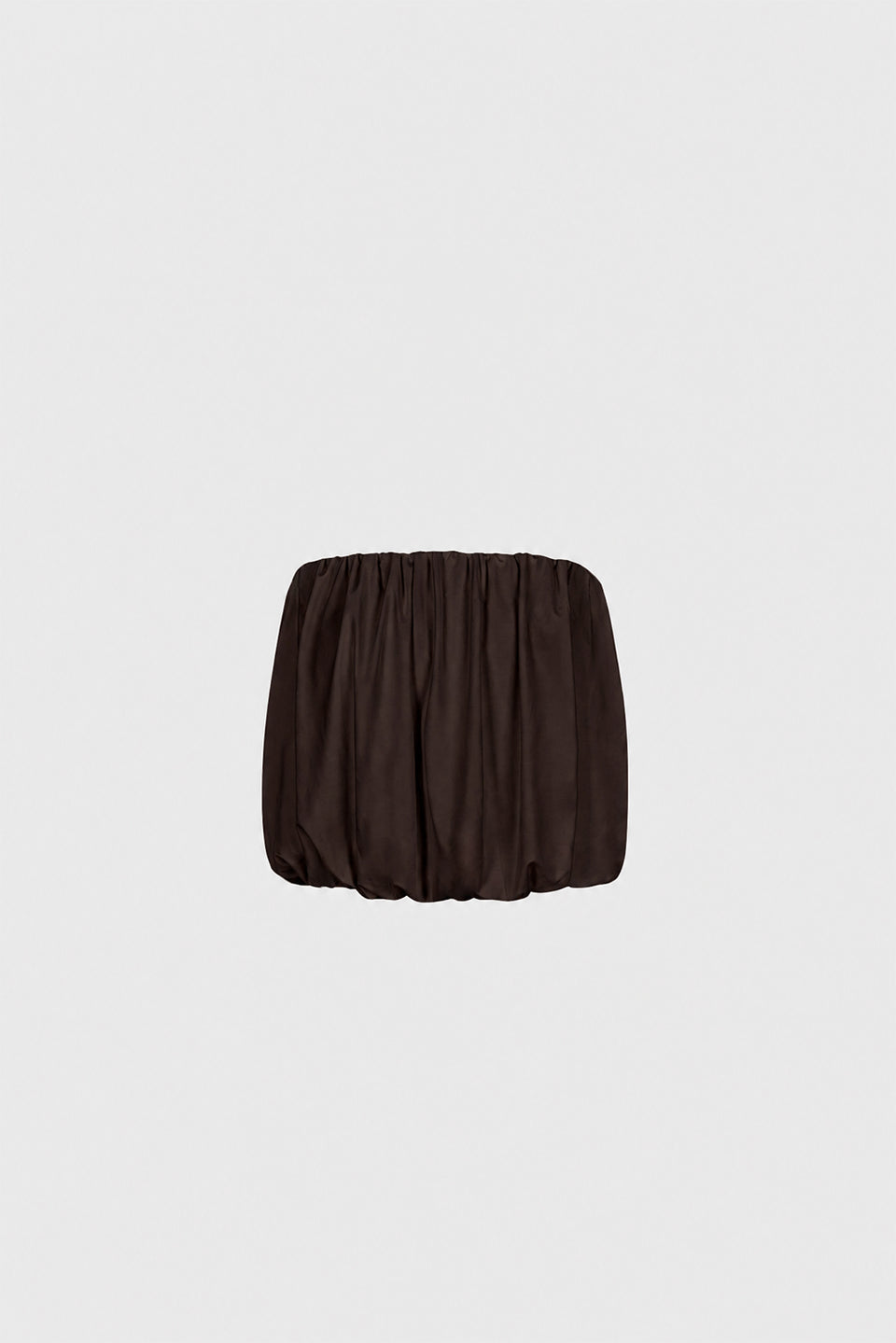
Outfit 3: ANSIN Miss Minimal Burgundy trousers, ANSIN Miss Resolute White shirt, Parfois handbag, Ryłko slingback pumps, Mango earrings, Parfois ring | Outfit 4: ANSIN Miss Minimal Burgundy trousers, ANSIN Miss Luna Dark Chocolate top, Vero Moda handbag, Kazar slides, YES earrings, Ania Kruk necklace, & Other Stories bracelet, Mango rings
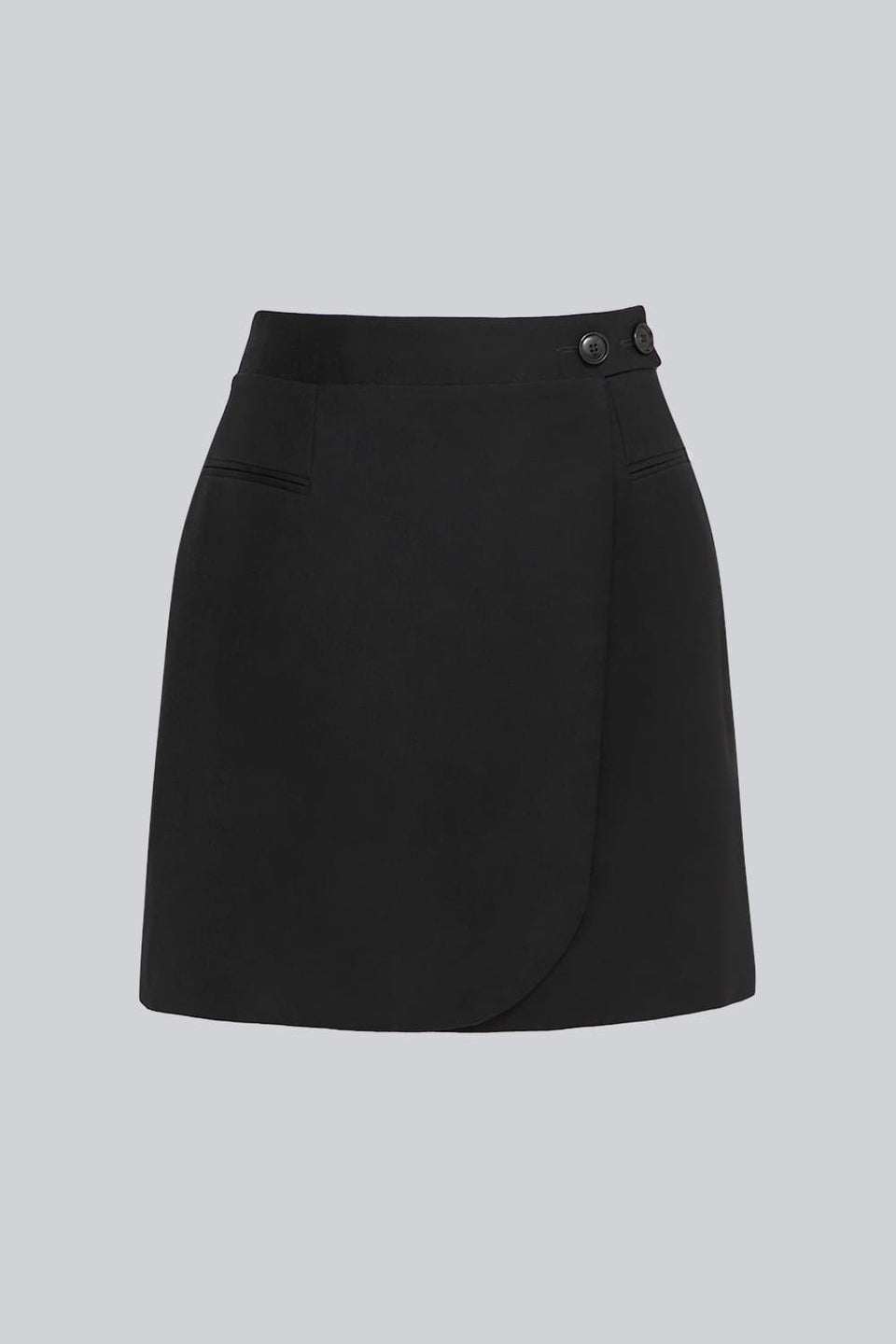
Skirt
During the day: with a fitted turtleneck and a flat shoe or a low block heel. A simple top and calm accessories keep the whole look in a daytime character.
In the evening: the turtleneck gives way to a bodysuit, and flat shoes are replaced by high boots. The layer and proportions of the silhouette change, and with them, the character of the set.

Outfit 5: ANSIN Miss Confident Black skirt, ANSIN Miss Sharon Chocolate turtleneck, H&M handbag, Zara shoes, Sadva earrings, Bering watch | Outfit 6: ANSIN Miss Confident Black skirt, ANSIN Miss Sassy Black bodysuit, Le Erme handbag, Le Silla boots, COS earrings
Five ways to transform your outfit
You don't always need a complete outfit to change. Sometimes just a few things you can easily swap are enough.
1. Footwear
This is one of the most powerful changes. You can replace a flat shoe or low heel with a stiletto, a higher heel, or high boots. The proportions of the silhouette change, and along with them, the entire character of the set.
2. The base layer
A shirt can give way to a bodysuit or a top. It is a small change, but it works particularly well under a blazer.
3. Handbag
A large bag for a laptop and documents is practical during the day, but in the evening you can swap it for a small handbag. It is most convenient to hide it in the larger bag in the morning.
4. Jewelry
You can replace delicate earrings with larger ones, and a simple watch with one expressive accent. It doesn't take up much space, but it significantly changes the perception of the outfit.
5. Texture
A silk scarf, belt, or shawl can add a different character to an outfit without the need to replace a larger number of things.
You don't have to change everything. Two conscious changes are often enough for the same base to work in a completely different context.
Summary
A well-composed capsule wardrobe does not mean that one outfit has to look the same from morning until evening. It means that you don't have to create a separate wardrobe for every moment of the day. A good base allows you to keep some of the clothes, swap a few elements, and quickly change the character of the whole look. A shirt for a bodysuit. Flat shoes for heels. A large bag for a small one. Delicate jewelry for a stronger accent.
It's not about having fewer clothes. It's about each additional piece of clothing giving you more possibilities.
"A capsule wardrobe is a small set of clothes selected so that many different combinations can be created from them. The possibilities of a wardrobe are determined not by the number of clothes, but by the number of those that combine with the others."
FAQ 1. How many items should a capsule wardrobe have? There is no single correct number. The classic approach speaks of a dozen to several dozen items, and Donna Karan's collection showed that even seven well-chosen pieces can create many sets. What is more important than the number is whether the individual elements work well together. 2. Does a capsule wardrobe have to be in neutral colors? No. Neutral colors make it easier to combine, but deep, saturated shades can also be very versatile. Black, navy blue, burgundy, or chocolate brown allow you to build different sets without assigning a garment to one occasion. 3. How to change an office outfit to an evening one without changing clothes completely? It is not always possible to do it with one change, but you also don't have to change the entire outfit. It is best to start with two elements that most strongly influence the character of the outfit: footwear and the layer under the blazer. A shirt swapped for a bodysuit and flat shoes replaced by heels can be enough to get a completely different effect. 4. Should a set always be worn in full? No. The ability to wear pieces separately is one of the most important tests of a good set. A blazer, trousers, or a skirt should also function well with things you already have in your closet.







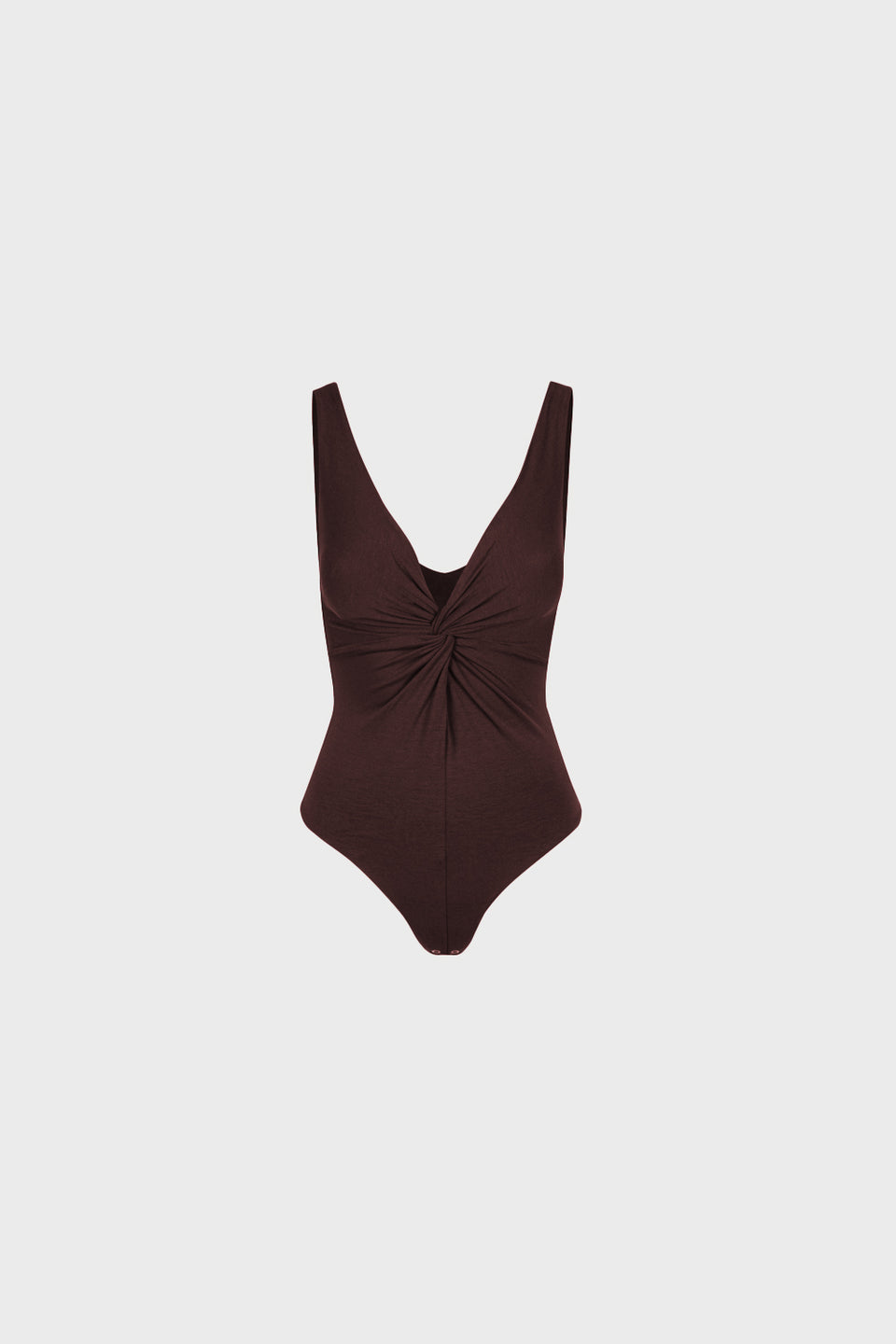

Miss Eida Dark Chocolate Bodysuit

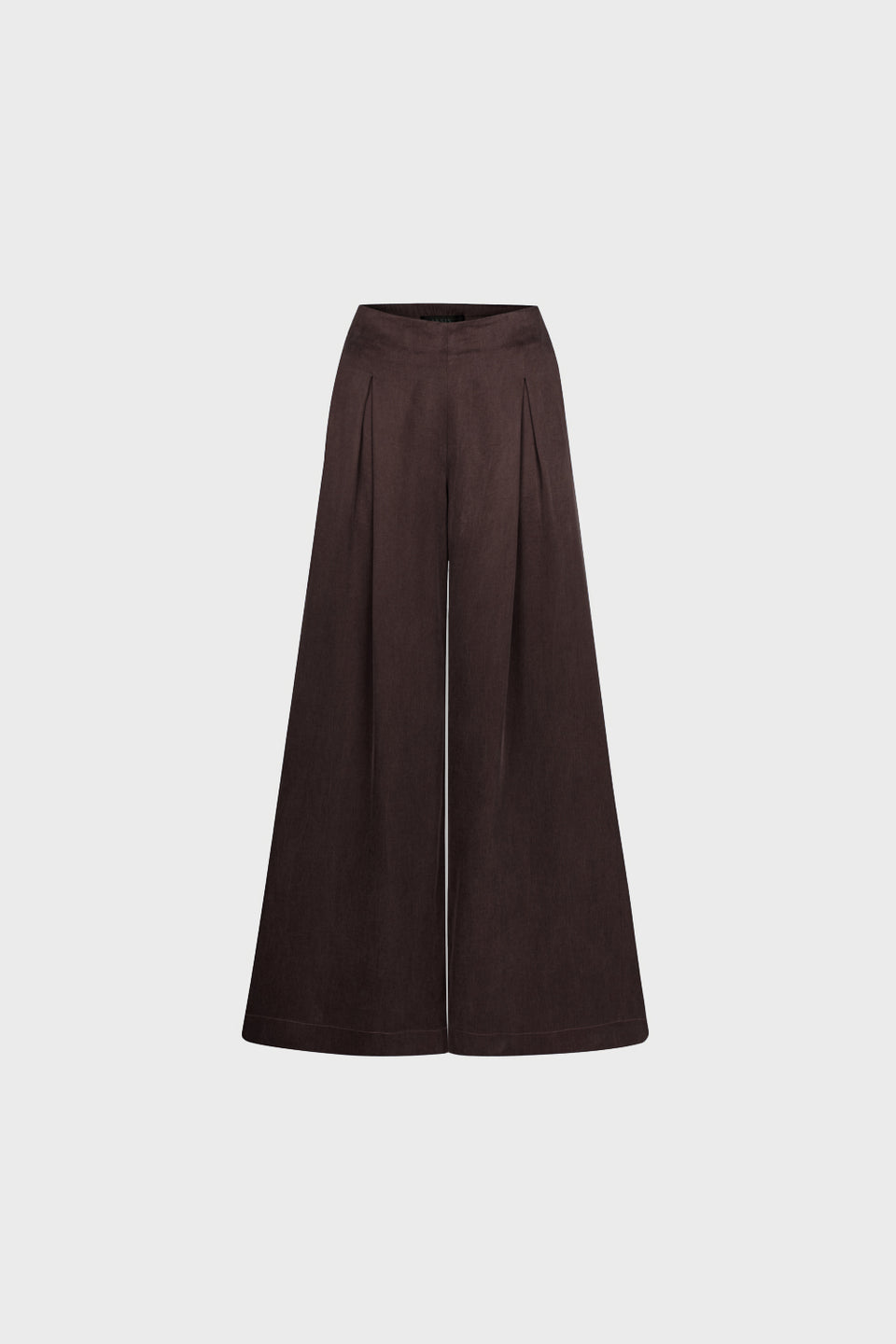




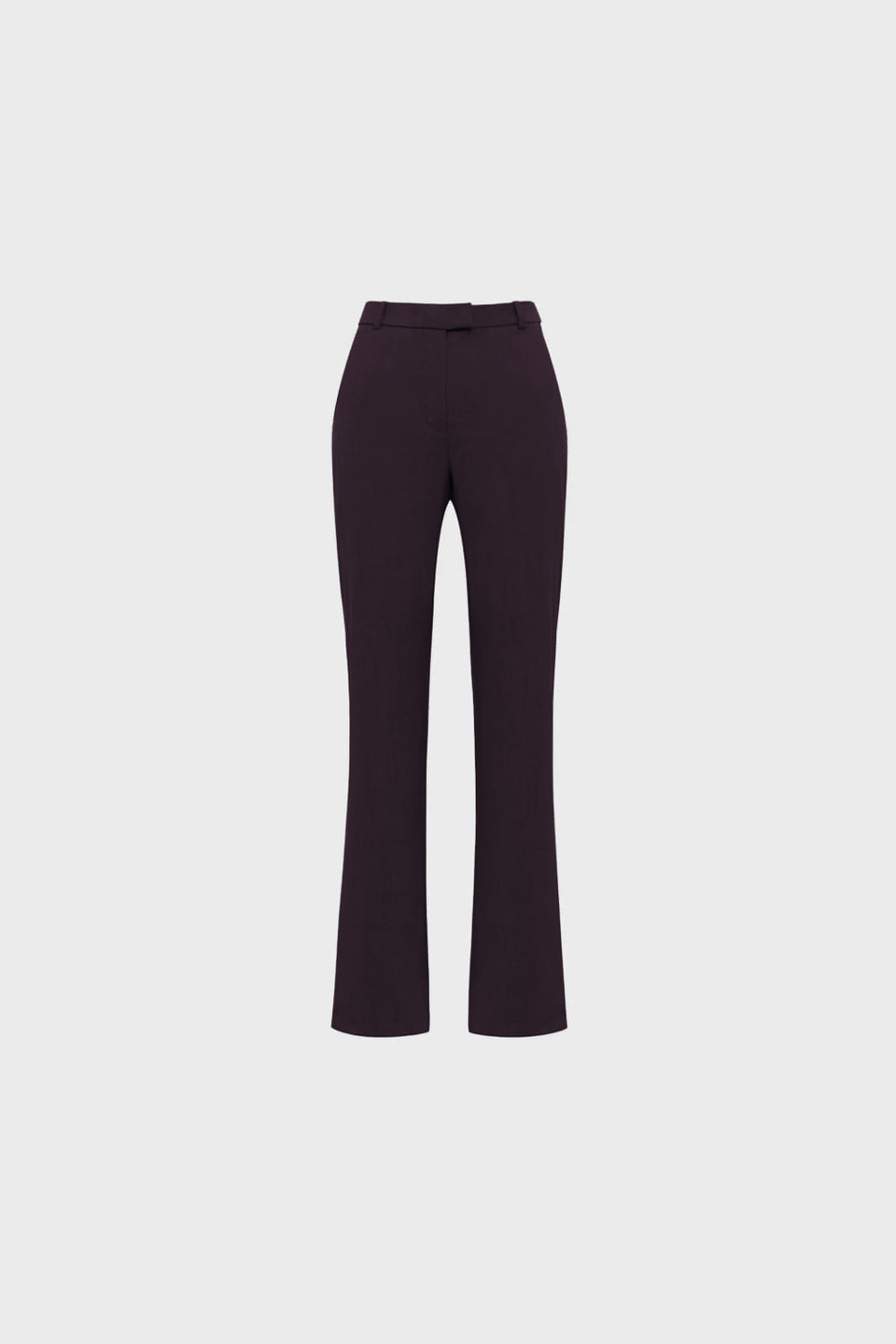

Miss Minimal Burgundy Trousers



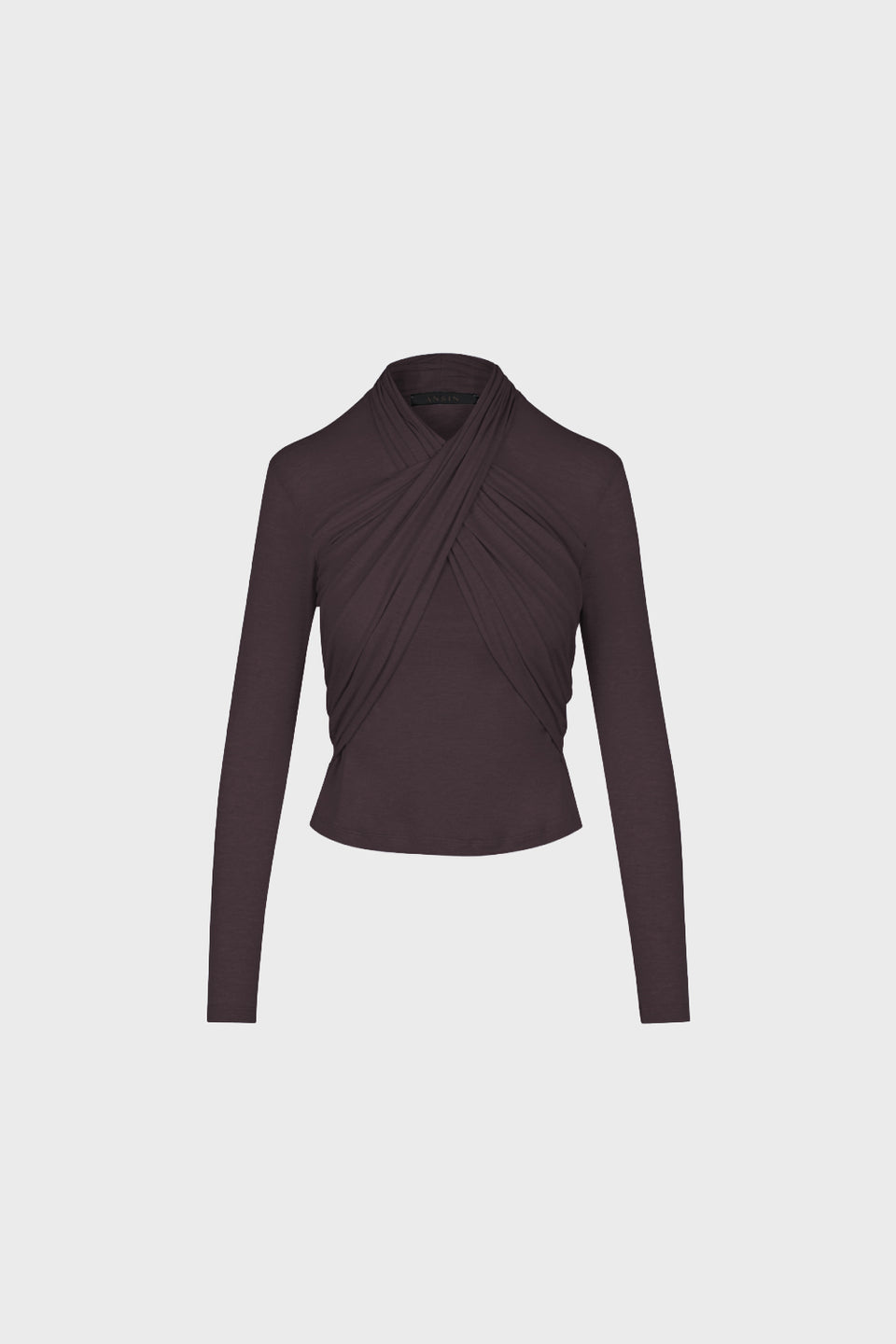

Miss Sharon Chocolate Turtleneck