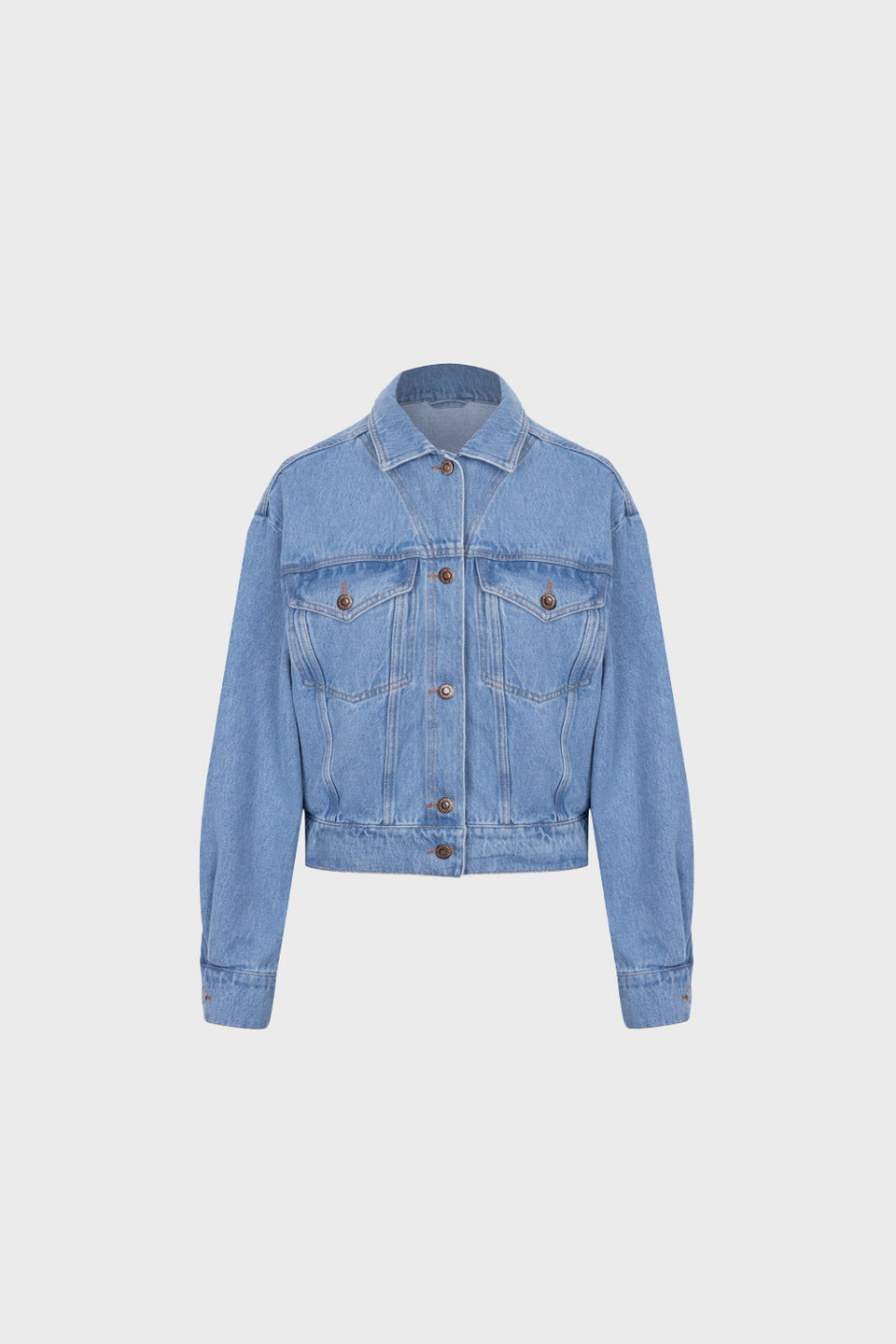
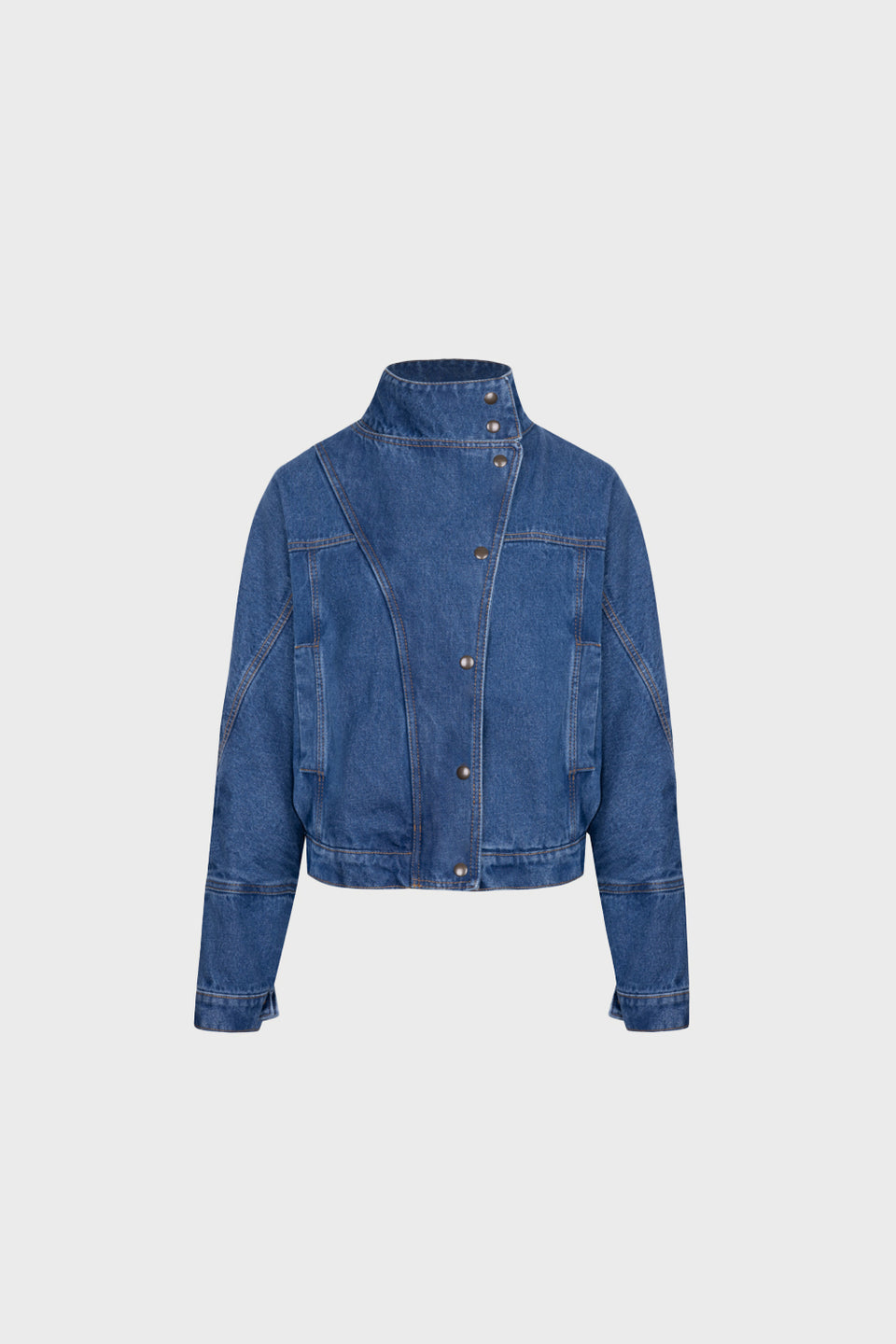
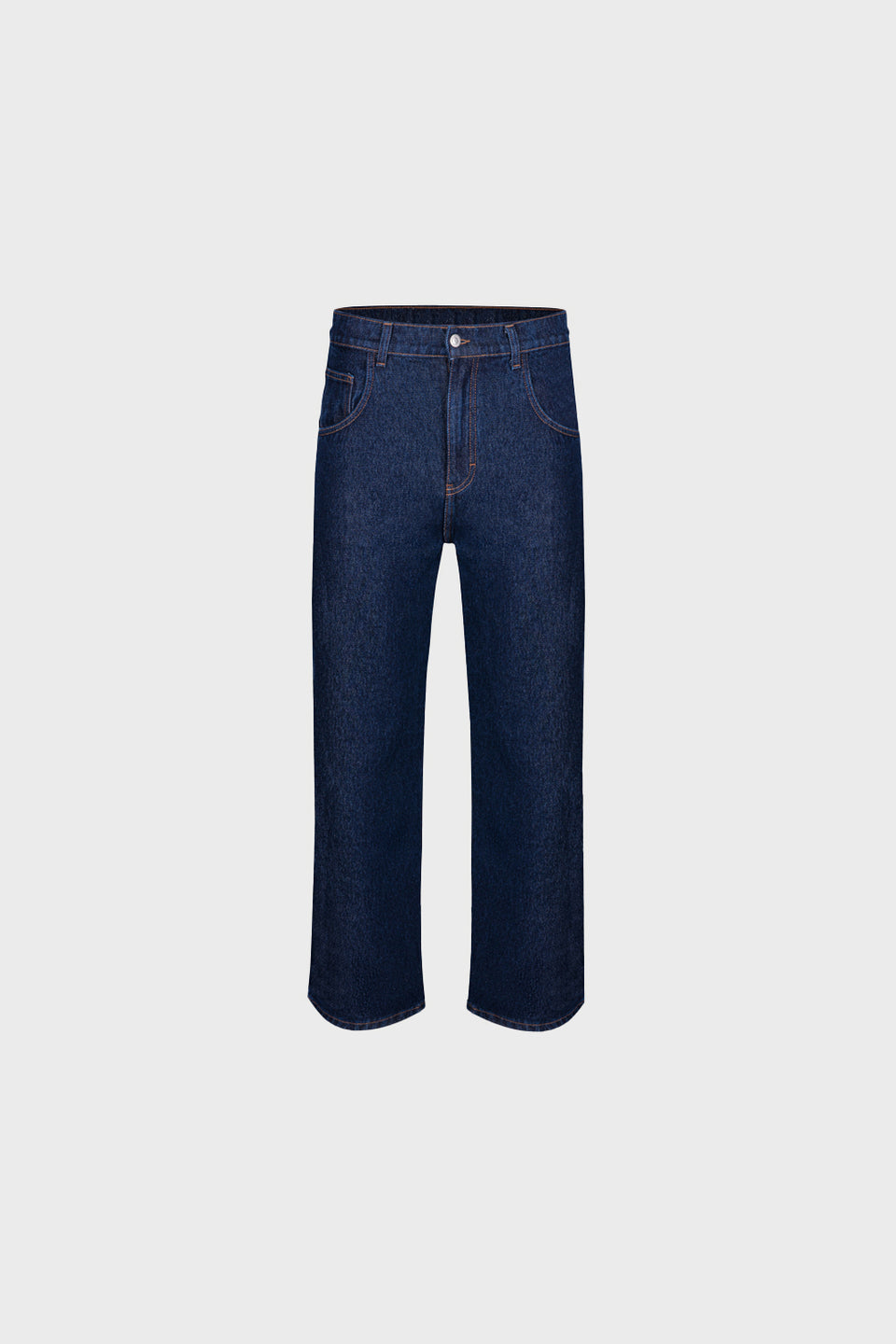
Denim is one of the few materials that never truly goes out of style - only its forms and the way it is worn change. Well-designed jeans or a jacket can accompany you for years, gaining character along with their owner. However, in a world of fast trends, it is worth knowing what determines the quality of denim and how to choose a model that will truly stay with us for a long time.
What is denim exactly and where does its phenomenon come from
Denim is a durable cotton fabric with a twill weave, which is responsible for its characteristic diagonal ribs and high resistance to wear.
The history of denim dates back to the 19th century, when the material was popularized as workwear for miners and craftsmen. Thanks to its exceptional durability, it quickly became a symbol of functionality, and over time, also of freedom and timeless style.
Today, denim is one of the most recognizable materials in fashion, present in both classic capsule wardrobes and premium collections.

How denim is made - in short
The production process directly affects the look and durability of the fabric:
- cotton fibers are spun into a strong thread
- the warp is usually dyed with natural or synthetic indigo
- the weft remains light - this is why denim fades and develops a patina over time
- the fabric is washed or finished to add softness
Fun fact: classic indigo-dyed denim does not dye the fiber all the way through - the color wears off gradually, creating an individual effect from use.
Types of denim and their properties - what really matters
Not all denim behaves the same. The material composition and fabric weight are crucial.
100% cotton denim
- more structural and stiffer at first,
- adjusts to the wearer's silhouette over time,
- ages gracefully, creating natural fading,
- often chosen in the spirit of slow fashion and premium clothing.
This is denim that "works" with the body - it needs a few wears to achieve the perfect fit.
Denim with elastane (stretch denim)
- usually contains 1-3% elastane,
- is more flexible and comfortable from the first wear,
- adapts better to movement,
- returns to its original shape faster.
In practice: if elastane appears in the composition, you can expect greater stretch and comfort. Models made of 100% cotton will be more structurally stable and less prone to stretching.

Denim weight - a hidden indicator of quality
Weight is determined in ounces (oz):
- 8-10 oz - lightweight denim (e.g., shirts),
- 11-13 oz - classic everyday jeans,
- 14 oz and more - heavy, highly durable premium denim.
Higher weight usually means more structural and potentially more durable denim, although the final quality is also influenced by the weaving method, fiber composition, and fabric finish.
Denim in a modern wardrobe - style and everyday life
Contemporary denim has ceased to be exclusively casual. Well-designed styles work well both at work and in weekend outfits, becoming one of the most versatile elements of a wardrobe.
A denim shirt can replace a light transitional jacket, and classic straight-cut jeans form the base of a capsule wardrobe - one you return to regardless of the season.
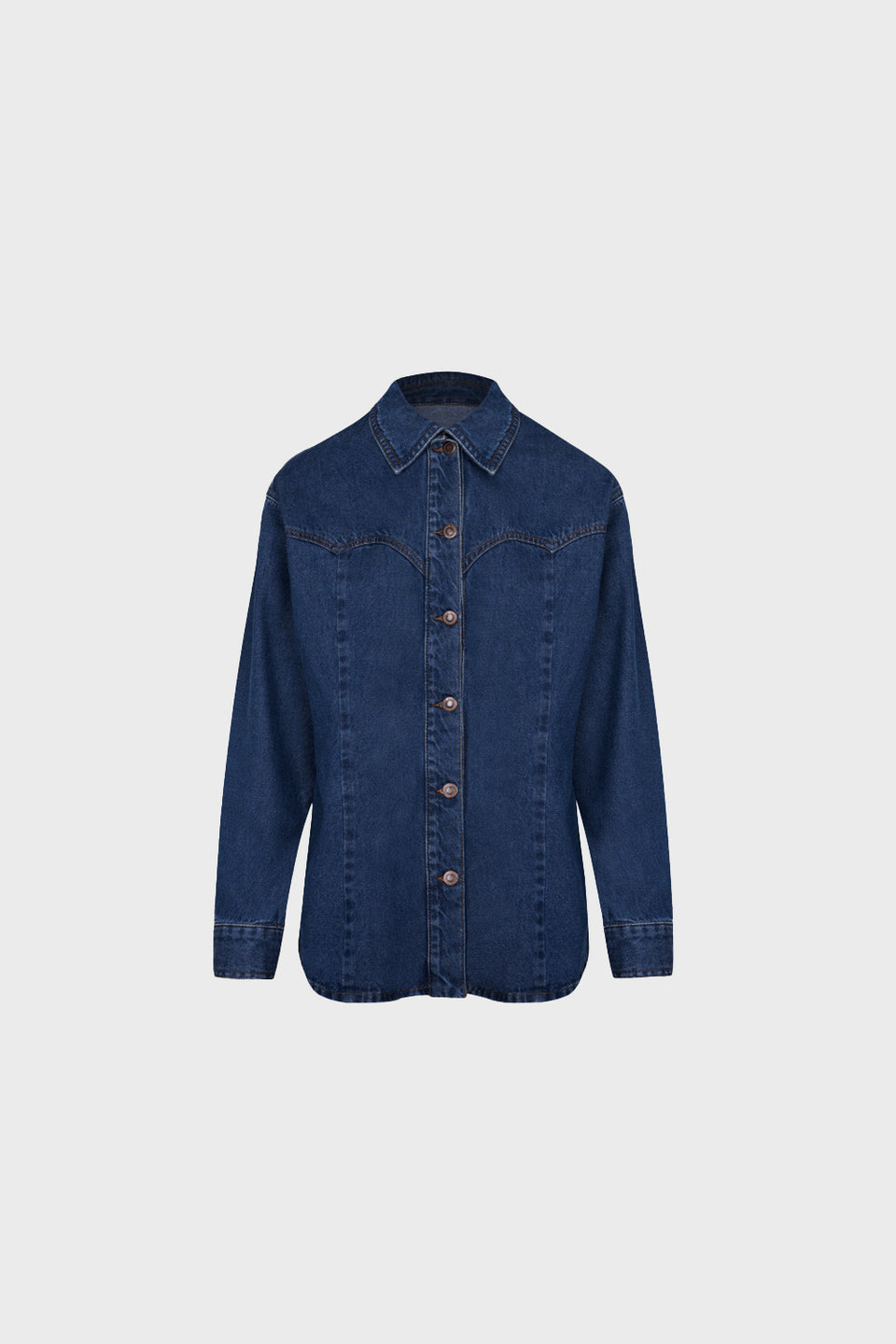
A denim shirt, e.g., Miss West, worn under a wool coat builds a layered, urban look that works especially well during transitional periods. Paired with knitwear or a simple T-shirt, it maintains a balance between freedom and refined, everyday elegance.
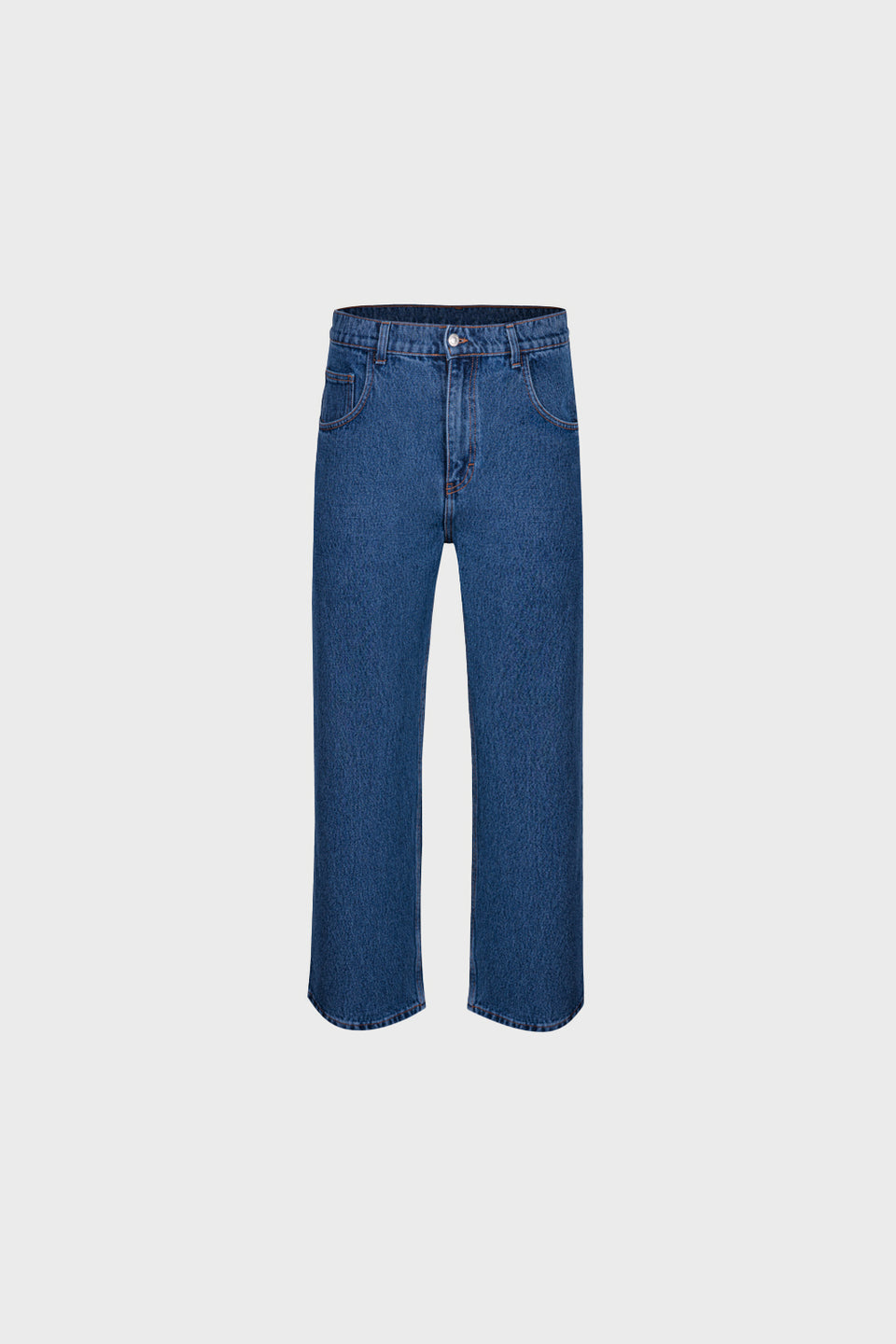
Meanwhile, wide-leg denim trousers, like the Miss Roxxy model, look good both with a fitted top and a soft sweater. The wider leg gives the silhouette lightness and modern proportions, thanks to which the denim gains a more contemporary, fashionable character while remaining a comfortable base for everyday styling. 1st outfit: Moliera2 ankle boots, Ansin trousers, Ansin belt, Ansin top, Ansin shirt, Anisin coat, Moliera2 handbag, Tiffany earrings | 2nd outfit: Moliera2 sneakers, Ansin trousers, Ansin sweater, Ansin belt, Moliera2 handbag, Cartier bracelet, Cartier earrings
In the men's wardrobe, denim remains a synonym for functionality, but it appears more and more often in more conscious, minimalist forms. Denim trousers, e.g., Mr David, go well with premium knitwear and a simple shirt, creating a modern, effortless everyday set.
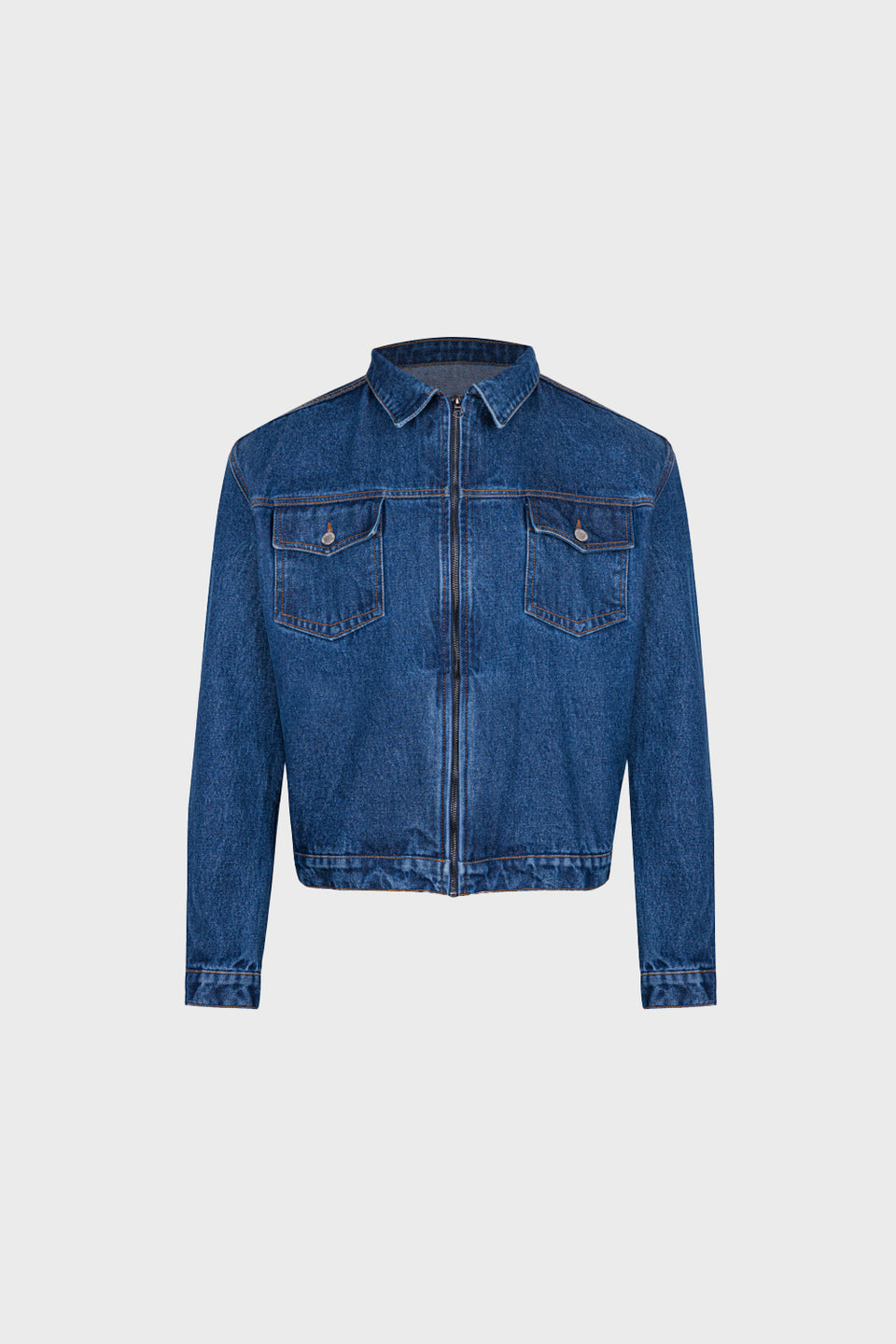
Meanwhile, the Mr Volt denim jacket can act as a light outer layer - worn with both chinos and classic jeans, it builds a cohesive, timeless character for the outfit. 1st outfit: Moliera2 sneakers, Ansin trousers, Ansin longsleeve, Ansin jacket, Holzkern watch | 2nd outfit: Moliera2 loafers, Ansin trousers, Ansin turtleneck, Ansin jacket, Omega watch
High-quality denim naturally fits into the idea of slow fashion - it is a material that looks better over time, not worse, than on the day of purchase.
How to wear and care for denim so it lasts for years
Denim does not require frequent washing - quite the contrary. Proper care allows you to maintain the color and structure of the material.
Key rules:
- wash less frequently, preferably after every ten to fifteen wears,
- choose a low temperature (30°C),
- turn the garment inside out before washing,
- avoid tumble drying,
- dry naturally, flat or on a hanger,
- use mild detergents without bleach.
Denim with elastane should be dried naturally - high temperatures can weaken the elastic fibers.

ANSIN Denim - a modern interpretation of a classic
Our denim collection was created with everyday comfort and timeless design in mind. Each model is designed to maintain a balance between functionality and aesthetics - regardless of the season.
We focus on refined cuts, high-quality cotton, and fabrics that drape well on different silhouettes and naturally fit into a capsule wardrobe.
Why good denim is an investment for years
Denim is a material that best shows the idea of conscious fashion - it is not seasonal, does not require frequent replacement, and gains individual character over time. By choosing well-designed jeans, a shirt, or a denim jacket, you choose garments that mature along with you.
"Denim made of high-quality cotton ensures durability and comfort for everyday wear. Models with added elastane provide greater flexibility and freedom of movement, while 100% cotton denim retains a more structural, classic character."
FAQ 1. How to recognize good quality denim? Good quality denim has a clear, compact weave structure and is pleasantly heavy to the touch, without feeling "paper-like" stiff. It is worth paying attention to the material composition, weight, and quality of the finish — even seams, solid stitching, and stable color testify to careful craftsmanship. 2. Are jeans with elastane worse than 100% cotton? No — they simply serve a different function. Denim with added elastane is more flexible and comfortable for everyday wear because it adapts to body movement. 100% cotton denim, on the other hand, is more structural and conforms to the silhouette individually over time. 3. Why does denim fade and lighten over time? Classic indigo-dyed denim has its color applied mainly to the outer layer of the fiber. During wear and washing, the dye gradually wears off, revealing the lighter core of the yarn. This is a natural process, thanks to which jeans acquire a unique character. 4. How often should you wash your jeans? Denim does not require frequent washing. In most cases, doing so after every ten to fifteen wears is sufficient, unless the garment is visibly soiled. Washing less frequently helps maintain the color, material structure, and extends the life of the clothing. 5. Does heavier denim always mean better quality? Higher weight usually means a more durable and structural material, but it is not the only indicator of quality. Comfort and durability are also influenced by the weaving method, fiber composition, and fabric finish. Well-designed medium-weight denim can be just as durable and comfortable as heavier models.