


Know that feeling when you put on a beautiful sweater, and after a few minutes, all you feel is itching and a desire to take it off? A coarse sweater can ruin not only your mood but also the most promising outfit. Fortunately, there are methods that actually work. In this post, I explain why a sweater "itches," how to fix it, and what to look for when shopping to avoid discomfort in the future.
Why do some sweaters itch?
Not every sweater that looks soft is pleasant against the skin. Discomfort stems from several factors:
1. Fiber type
The most common cause of scratching is thick, stiff fibers.
Classic sheep's wool can have a diameter of up to 30–35 microns, which many people will perceive as "prickly." For comparison, merino wool is usually 17–21 microns and is much more delicate.
The thinner the fiber, the greater the chance that the sweater will be soft and comfortable.
2. Presence of synthetics
Blends of acrylic or polyester can enhance the scratching effect, especially when combined with coarse wool. Additionally, synthetics do not breathe, so the skin sweats more quickly, and moisture intensifies the feeling of irritation.
3. Fiber processing
Just because two sweaters have an identical composition does not mean they will be equally soft.
A lot depends on the production process: combing, softening, and stabilization. If the fibers have not been properly prepared, the sweater will be stiffer—even if it has an "ideal composition."
4. Skin sensitivity
People with dry, atopic, or particularly demanding skin may feel discomfort even with fibers considered delicate. This is normal—it's just worth paying more attention to the composition and texture of the knit.
How to soften an itchy sweater?
Effective methods that really work**
If you already own a sweater that scratches, start with simple methods. In many cases, the effects are visible immediately.
1. An extra layer underneath
The easiest and most immediate solution—it separates the sweater from the skin and adds warmth. Try:
- a thin long-sleeve or turtleneck,
- a cotton or viscose undershirt,
- a bodysuit made of soft knit fabric.
If you value maximum comfort, check out our Invisible collection—this is ultra-delicate underwear and clothing designed for layering and preventing irritation.
2. Softening wash
Washing can work wonders, provided you use the right products.
What you can use:
- wool detergent (preferably hypoallergenic),
- lanolin—it acts like a nourishing cream for the fibers,
- a lukewarm bath with hair conditioner (do not use for cashmere—choose only lanolin for that).
How to do it step by step:
- Pour lukewarm water into a bowl (not hot).
- Add 1–2 tablespoons of conditioner and mix thoroughly.
- Submerge the sweater and gently knead it.
- Let it sit for 20–30 minutes.
- Drain excess water by pressing the sweater against a towel (do not wring it out!).
- Rinse in lukewarm water and press out again.
- Lay flat to dry.
This treatment often makes the fibers more flexible and soft.
3. Freezing the sweater
It sounds unusual, but it really works—low temperatures can "calm" stiff fibers.
How to freeze a sweater:
- Make sure the sweater is dry.
- Place it in a sealed bag.
- Freeze for a minimum of 8–12 hours.
- Take it out and let it thaw at room temperature.
This is also a great method for refreshing a sweater without washing it. It will not work for sweaters with a high acrylic content—the fibers will remain just as stiff.
4. Steam and gentle fiber loosening
Wool responds very well to steam—it becomes softer and more flexible.
Steamers:
- lay the sweater flat,
- apply steam from a short distance,
- do not let the device touch the material.
Steam iron:
- cover the sweater with a cotton cloth,
- set to a low temperature ("wool"),
- gently steam through the cloth.
Avoid pressing hard or rubbing—this can distort the fibers.
How to choose sweaters that don't itch?
If you want to avoid discomfort in the future, pay attention to:
✔ Softness at first touch
If a sweater scratches in the fitting room, it won't be any better at home.
✔ Composition
The best options are: merino, cashmere, baby alpaca, high-quality mohair.
Synthetic blends (acrylic, polyester) are acceptable, but they should not exceed 30%.
✔ Fiber diameter (microns)
Thinner fibers = greater softness.
Merino at 17–21 microns is usually noticeably more pleasant than classic wool at 30+ microns.
✔ Quality certificates
- Woolmark,
- Responsible Wool Standard (RWS),
- Oeko-Tex Standard 100.
This means the knit has been tested and is safe for the skin.
✔ Superwash wools
Subjected to extra softening—they are usually less coarse.
✔ Brand experience
At ANSIN, we work exclusively with knit fabrics that are soft from the very first touch.
We test every model on various skin types—including sensitive skin—to guarantee maximum wearing comfort.
Sale

![Miss Buttoned Light Blue T-shirt]()


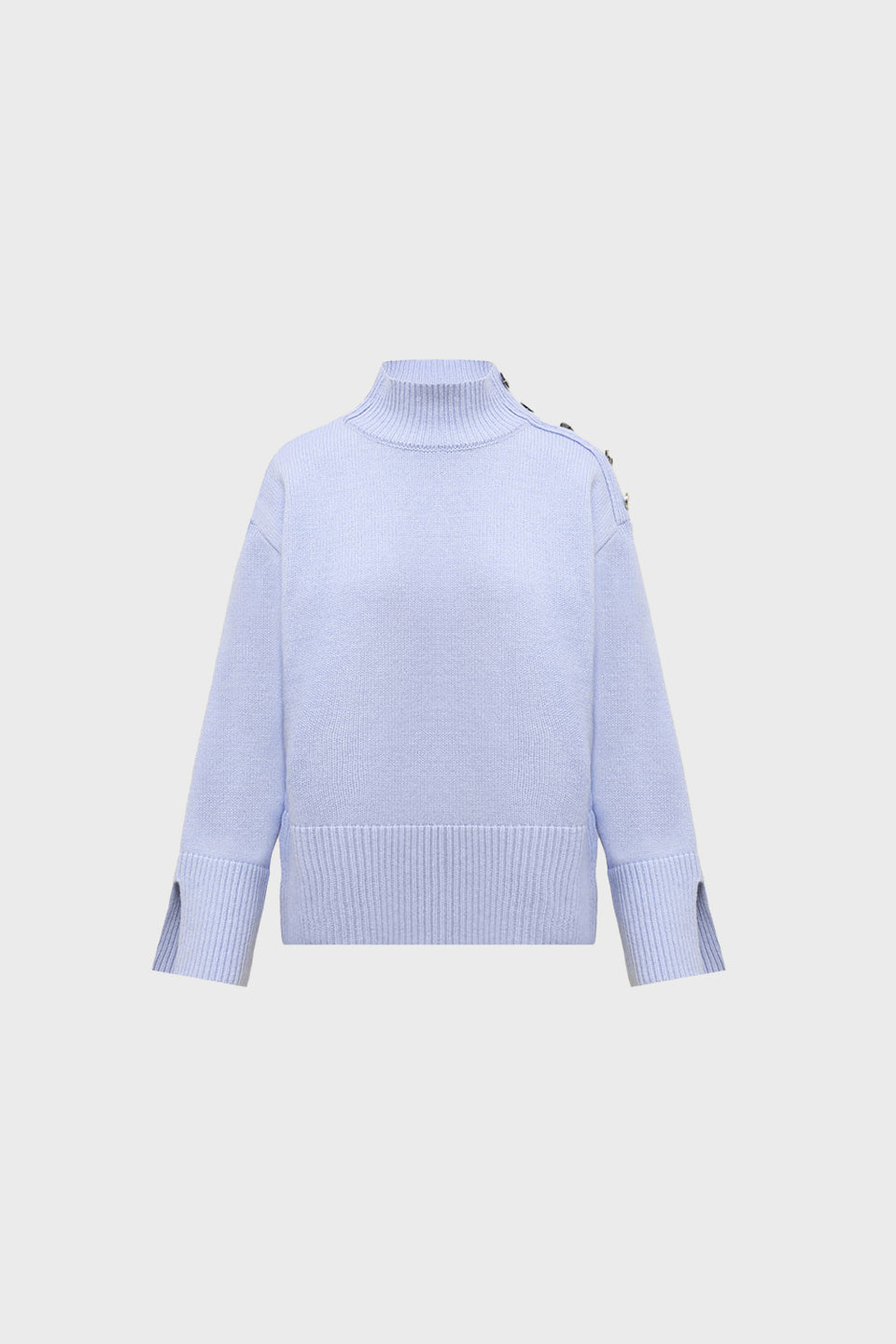

Miss Buttoned Light Blue T-shirt
Regular price
€210,95
Minimum price
€147,95
Sale
![Miss Cushy Magenta jumper]()


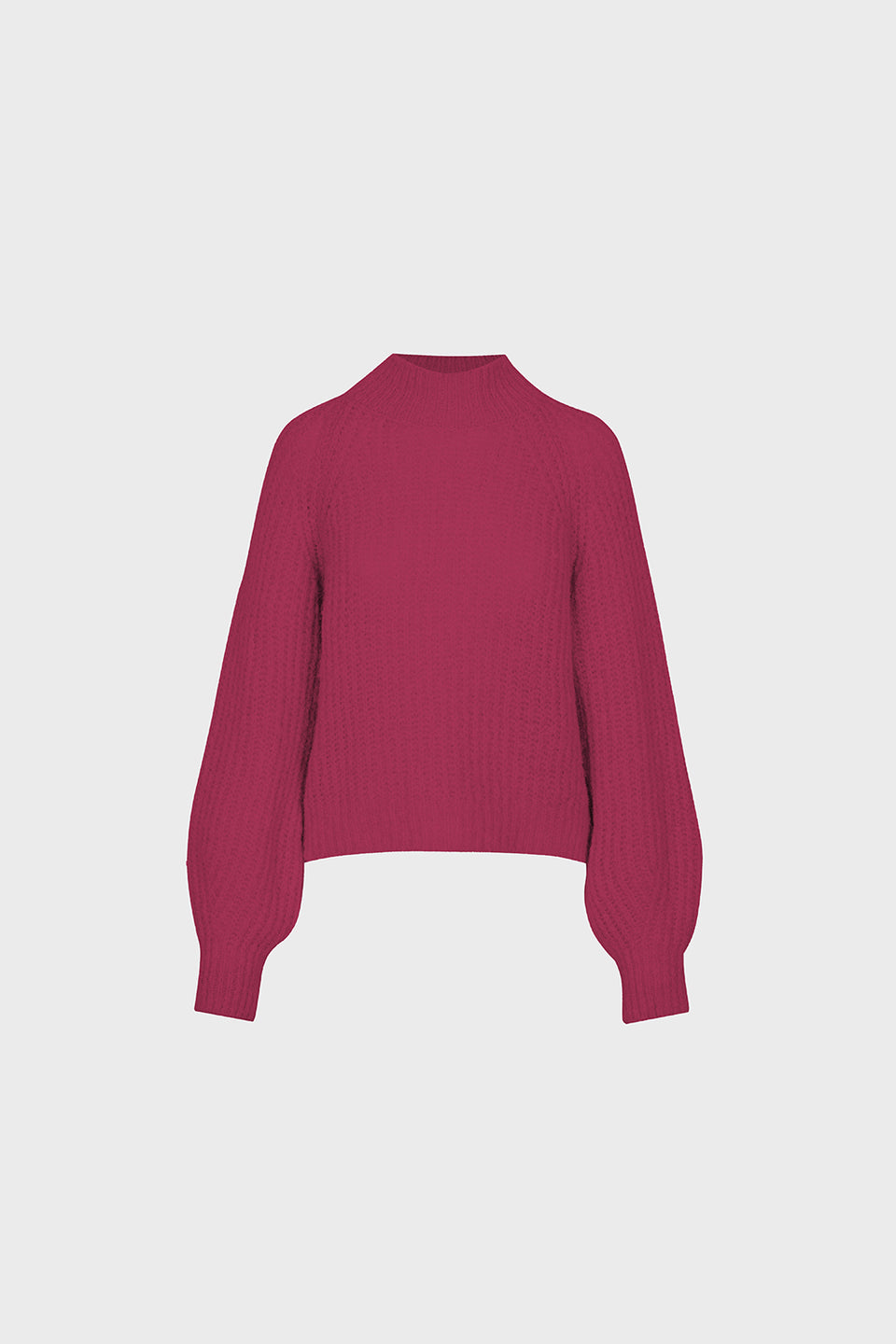

Regular price
€175,95
Minimum price
€140,95


Regular price
€175,95

Regular price
€187,95


Regular price
€185,95


Regular price
€185,95
Summary
An itchy sweater doesn't have to end up at the back of your closet. Often, a gentle softening treatment, steaming, an extra layer underneath, or changing your care habits is enough. And if you want to avoid discomfort, choose models made from soft, certified yarn—the difference in comfort is huge.
If you are looking for sweaters that are truly pleasant to the touch, see this year's ANSIN knitwear collection—soft, cozy, and refined in every detail.
FAQ - itchy sweater
Why does a sweater itch if it has a good composition?
Even 100% wool can scratch if the fibers are thick or poorly processed. Delicate, fine yarns (e.g., merino 17–21 microns) are much more pleasant to the skin.
Can you make a coarse sweater soft?
Yes—try washing with lanolin, wool detergent, or a conditioner bath. Home methods like freezing or gentle steaming also help.
What to do if a sweater itches at the neck?
The skin in this area is exceptionally thin. Wear a soft layer underneath, reach for a mock turtleneck, or choose a sweater made from a gentler yarn.
Does an itchy sweater mean poor quality?
Not always. Some natural fibers are inherently coarse. The problem is usually yarn that is too thick or hard, or improper processing.


